12 Game-Changing Technologies Transforming the Paving Industry in 2026
For decades, success in the paving industry came down to experience, skilled crews, and reliable equipment. Those qualities are still essential but today's contractors have another advantage: technology.
From AI-powered planning and drone surveys to intelligent compaction and sustainable asphalt mixes, innovations are changing nearly every phase of road construction. Many of these tools aren't concepts for the future - they're already being used to help contractors work faster, improve quality, reduce costs, and make smarter decisions on the jobsite.
As infrastructure investment continues to drive demand across the country, staying current with these advancements isn't just good business - it's becoming a necessity. Here are 12 technologies that are reshaping the paving industry in 2026.
Artificial intelligence has quickly moved beyond buzzword status. In construction, AI is becoming a practical tool for solving everyday challenges.
Software can now analyze pavement conditions, identify early signs of deterioration, compare years of inspection data, and recommend maintenance strategies before minor defects become major repairs. AI is also helping project managers improve scheduling, estimate material needs more accurately, and identify potential delays before they impact the project.
Rather than replacing experienced professionals, AI is giving them better information to make faster, more informed decisions.
Every contractor knows that unexpected conditions can derail a project.
Digital twin technology helps reduce those surprises by creating a highly detailed virtual model of a roadway before construction starts. Built using drone imagery, survey data, GIS mapping, and existing infrastructure records, digital twins allow engineers and contractors to visualize projects long before equipment arrives on site.
Potential utility conflicts, drainage issues, grading concerns, and design changes can often be identified early - saving both time and money once construction begins.
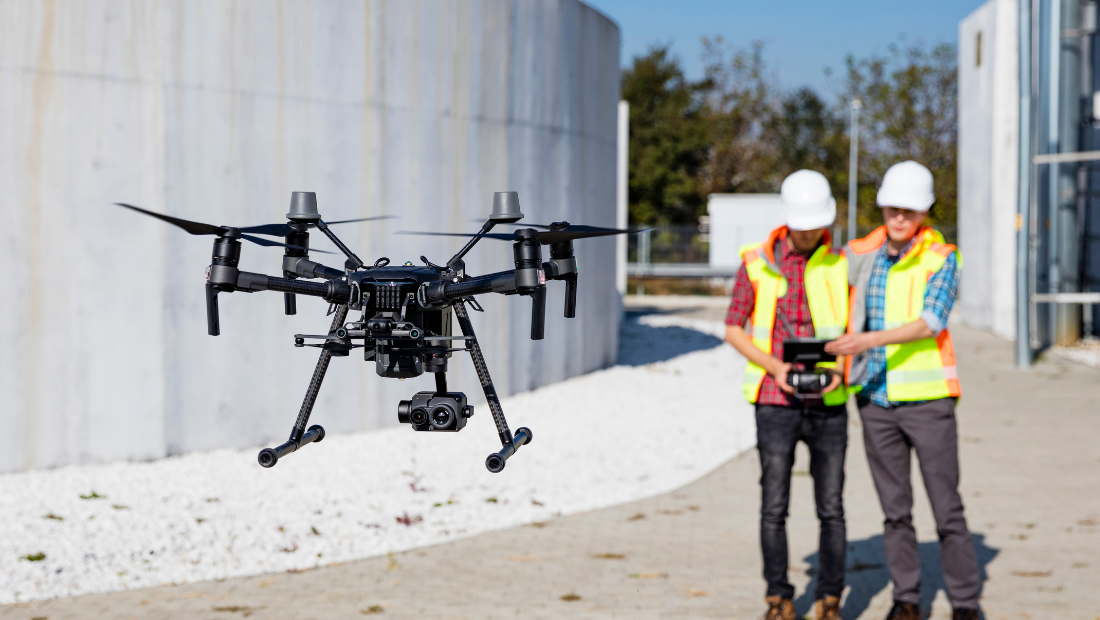
Not long ago, drones were mainly used to capture impressive aerial photos. Today, they're valuable project management tools.
Contractors use drones to perform site surveys, monitor progress, calculate stockpile volumes, inspect completed work, and document changing site conditions throughout construction. A task that once required days of field work can now be completed in a matter of hours.
Combined with AI and digital mapping software, drone data gives project teams a clearer picture of what's happening on the ground and helps keep projects moving forward.
Construction equipment continues to become more intelligent every year.
GPS-guided machine control, automated grading systems, real-time performance monitoring, and semi-autonomous compaction equipment are helping crews achieve greater accuracy while reducing unnecessary rework.
These technologies don't eliminate the need for skilled operators - they enhance their capabilities by providing real-time feedback that helps maintain consistency from start to finish.
Compaction has always been one of the most important factors affecting pavement performance. The difference today is that contractors can measure quality while the work is happening.
Modern intelligent compaction systems use onboard sensors, GPS positioning, and temperature monitoring to track roller coverage and pavement density in real time. Instead of relying solely on spot testing after the fact, crews can identify areas that need additional attention immediately.
The result is better quality control, improved pavement longevity, and fewer costly callbacks.
Sustainability is no longer just a talking point - it has become an important consideration on many public and private projects.
Warm Mix Asphalt continues to gain popularity because it requires lower production temperatures, reducing fuel consumption and emissions while extending paving seasons. Higher percentages of Reclaimed Asphalt Pavement (RAP), recycled aggregates, and improved production methods are also helping contractors reduce waste without sacrificing performance.
As environmental standards continue to evolve, sustainable paving practices are becoming both a competitive advantage and an industry expectation.
Researchers continue to push the boundaries of pavement materials, and one of the most promising developments is self-healing asphalt.
Using specialized additives, steel fibers, or microscopic capsules embedded within the asphalt, these new materials have the ability to repair tiny cracks before they grow into major structural problems. Some systems even use induction heating to restore pavement performance years after installation.
While widespread adoption is still developing, the long-term potential for reducing maintenance costs is significant.
Cities are paying closer attention to how pavement affects local temperatures.
Cool pavement technologies use specialized materials or reflective surface treatments to reduce heat absorption. Lower pavement temperatures can improve pedestrian comfort, reduce stress on surrounding infrastructure, and help mitigate the urban heat island effect in densely populated areas.
As communities invest in climate resilience, these technologies are becoming part of the conversation for future infrastructure projects.
One of the biggest risks on any excavation project is discovering what's hidden below the surface.
Today's utility locating technologies combine Ground Penetrating Radar (GPR), electromagnetic locating equipment, GPS mapping, and GIS databases to provide far more accurate information before excavation begins.
Better underground visibility helps reduce utility strikes, improve worker safety, minimize unexpected delays, and protect critical infrastructure throughout construction.
Modern construction equipment generates an enormous amount of useful data.
Telematics systems allow contractors to monitor equipment location, operating hours, idle time, maintenance schedules, fuel consumption, and machine performance from virtually anywhere.
Instead of reacting to equipment problems after they occur, fleet managers can schedule preventive maintenance, improve equipment utilization, and reduce downtime before it impacts production.
For many transportation agencies, the goal is no longer simply repairing roads - it's preventing failures before they happen.
Using inspection data, pavement sensors, historical performance records, and AI-powered analysis, agencies can predict when maintenance will provide the greatest benefit. Addressing small issues early often prevents far more expensive repairs later.
This shift toward predictive maintenance is helping stretch limited infrastructure budgets while improving roadway conditions for the traveling public.
Historic investments in roads, bridges, utilities, broadband, and public infrastructure are increasing expectations across the construction industry.
Owners expect projects to move faster. Communities expect less disruption. Contractors face tighter schedules, labor shortages, and greater pressure to deliver quality work.
Technology is helping bridge that gap.
Whether it's AI analyzing pavement conditions, drones documenting job progress, intelligent rollers improving compaction, or digital twins identifying problems before construction begins, innovation is giving contractors new ways to build smarter and operate more efficiently.
The paving industry has always evolved alongside advances in equipment and materials. What's different today is the pace of change.
Technologies that seemed cutting-edge just a few years ago are quickly becoming everyday tools. Contractors who embrace data-driven decision-making, automation, and smarter construction methods will be better positioned to improve productivity, control costs, and deliver higher-quality projects.
The future of infrastructure isn't defined by a single breakthrough - it's built through continuous innovation. As new technologies continue to emerge, the companies that stay informed and adapt will be the ones leading the industry forward.
POSTED: July 27, 2026
TAGS: Paving Industry