Complete Equipment Guide For Cutting Trenches In Asphalt or Concrete
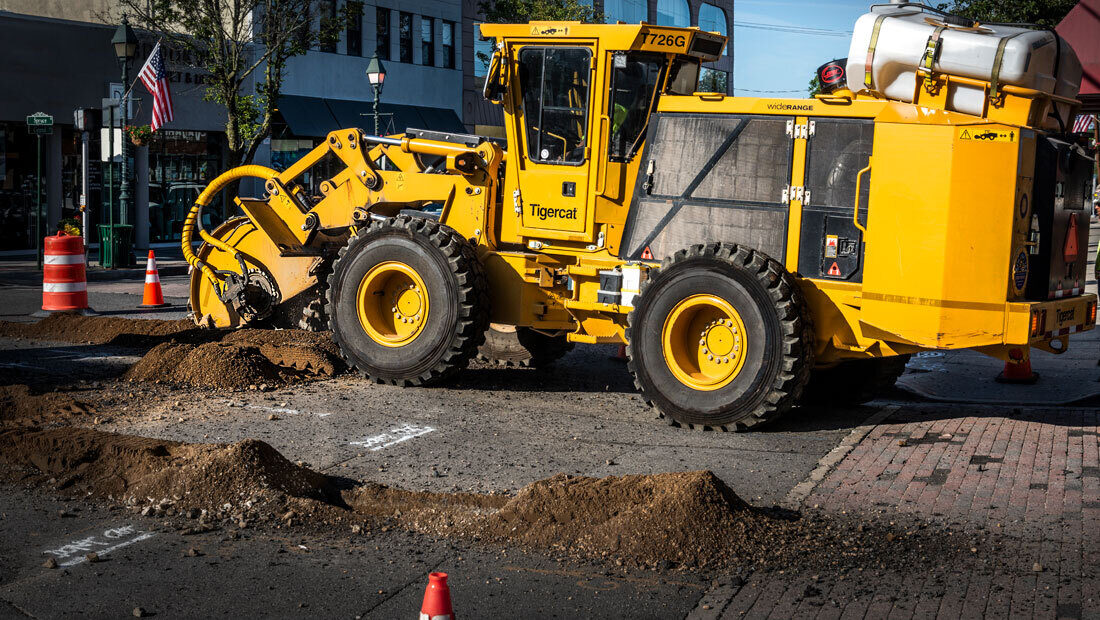
Trenching through asphalt or concrete is a task common in various utility and infrastructure projects. Whether it's for utility line installations, road repairs, or routine maintenance, the quality of the trench cutting largely depends on the right equipment. Over the years, advancements in machinery and techniques have revolutionized the process, making it safer, more efficient, and cost-effective. This guide delves into the different types of equipment used in trench cutting, explaining how each tool works and its suitability for specific tasks.
Jackhammers have long been a staple in the construction industry, used for breaking concrete and asphalt. Though they remain effective for small-scale, localized demolition, their limitations for trench cutting have become apparent. These handheld devices work by delivering rapid percussive strikes to break up the material, making them suitable for tasks where precision is less critical. However, for trenching, they are far from ideal.
Jackhammers do not offer the level of precision required for neat, straight cuts along a trench line. The percussive force of the tool often causes irregular breaks and significant damage to the surrounding pavement, leading to more extensive repairs and added costs. Additionally, the physical toll on workers can’t be ignored. Prolonged use of jackhammers often leads to fatigue and increases the risk of repetitive strain injuries due to the vibration and constant impact. Over time, the tool’s heavy weight also contributes to worker discomfort, further exacerbating these issues. Furthermore, the force applied can sometimes lead to cracks and fractures that extend beyond the intended cutting area, further complicating the repair process. Given these factors, jackhammers are best reserved for small, isolated repair jobs rather than full trenching tasks.
For those looking for precision and cleaner cuts, asphalt and concrete cutting saws are indispensable tools. These walk-behind machines use diamond blades that rotate at high speeds to slice through even the hardest of materials. This equipment offers a level of accuracy and cleanliness that jackhammers simply cannot match. The blades' sharpness and speed allow workers to achieve straight, controlled cuts that align with designated trench lines, minimizing the risk of accidental damage to the surrounding surface.
These cutting saws, though versatile, do have certain limitations. Most commonly, they are only able to make surface-level cuts, which can be sufficient for smaller trenching jobs. However, deeper trenching requires additional equipment to remove the material beneath the surface, as cutting saws are not designed for excavation. Moreover, while the saws provide precision in cutting, they do not address the next step in the process—removing the broken pavement. As such, excavators or skid steers are needed to complete the trenching operation, making these saws part of a multi-step process rather than a one-stop solution.
Once the asphalt or concrete is cut, the next crucial step is excavation—the process of removing the broken material to clear the trench. Excavators, loaders, and skid steers are the machines that make this possible. They are used to dig and remove the debris, enabling the project to continue without unnecessary delays.
Excavators are available in various sizes, with mini excavators being the best choice for tight or urban areas. These compact machines can maneuver in narrow spaces and are equipped with various attachments, such as buckets or hydraulic breakers, which aid in excavation. Larger excavators, such as backhoe loaders, are better suited for medium and large trenching projects. They are versatile and can handle both the digging and hauling tasks, making them essential for larger-scale operations. Meanwhile, skid steers are smaller, highly maneuverable machines that are ideal for working in confined spaces. They can be fitted with a range of attachments, such as trenching buckets, which assist in both cutting and excavation.
After the trench is excavated, dump trucks are typically brought in to haul away the broken pavement, making way for new material such as backfill or fresh asphalt. The combination of these machines ensures that the trench is both properly dug and cleared, providing a smooth and efficient workflow.
For large trenching projects that require heavy-duty machinery, road saws and trenching attachments are indispensable. Road saws are robust machines designed to cut through thick layers of asphalt or concrete, offering greater depth and speed than smaller, walk-behind cutting saws. These saws are typically equipped with water-cooled diamond blades, which help to keep the blade from overheating and reduce dust during cutting. Road saws can efficiently handle longer trench runs and are ideal for projects requiring deeper cuts.
Self-propelled road saws allow for easier operation, eliminating the need for manual pushing and guiding. These machines are not only faster but also more efficient in cutting through thick material. One of the major advantages of road saws is their dust suppression system, which helps reduce harmful airborne particles, particularly during concrete cutting, where silica dust is a serious concern.
For even more efficient trenching, trenching attachments for excavators or skid steers can streamline the cutting and excavation processes. These attachments, such as chain trenchers, allow for continuous cutting and material removal in one step. Chain trenchers operate similarly to large chainsaws, cutting through asphalt or concrete while simultaneously pulling the material up and out. Wheel trenchers, on the other hand, use a large toothed wheel to make precise cuts and can handle deeper trenching tasks, making them suitable for more complex excavation projects.
Micro trenchers are highly specialized machines designed for cutting narrow, shallow trenches, making them ideal for installing small utility lines, such as fiber optic cables. These machines are perfect for urban environments where space is tight, and minimizing surface disruption is a priority. Micro trenchers offer a level of precision that traditional trenching methods can’t match, allowing for smaller cuts that disturb less of the surrounding pavement. These machines are often used for high-traffic areas where preserving the integrity of the existing infrastructure is essential.
Vacuum excavators are an essential tool for projects that require high levels of precision, particularly when working around sensitive utilities like gas, water, or electrical lines. These machines use powerful suction to remove soil and debris from the trench, reducing the risk of damaging the underlying infrastructure. Vacuum excavation is especially useful in situations where traditional methods may be too risky, such as when digging near fragile or critical underground utilities. The vacuum process allows for precise excavation with minimal disruption, making it a safer and more effective solution.
When it comes to breaking up large concrete slabs, hydraulic breakers are the go-to equipment. These tools are mounted on excavators or skid steers and use hydraulic force to deliver powerful blows that fracture concrete into smaller, more manageable pieces. Once the concrete is broken up, other equipment can be used to remove the debris and continue with the excavation process. Hydraulic breakers are essential for dealing with hard concrete surfaces that cannot be cut easily using traditional saws.
Concrete and asphalt behave differently when cut, and as a result, the equipment and techniques used must be adjusted accordingly. Concrete is generally more rigid and often reinforced with rebar, making it tougher to cut. Specialized blades, often with wet cutting techniques, are required to handle this material effectively. Wet cutting not only helps prevent blade overheating but also reduces dust, keeping the work environment safer. Asphalt, on the other hand, is softer and more pliable, but it still requires durable blades to maintain efficiency. Dry cutting can be done, but proper dust suppression measures must be in place to avoid health risks.
The key to a successful trenching project lies in choosing the right equipment for the task at hand. For smaller, localized tasks, cutting saws and basic excavators are usually sufficient. However, for larger, more complex projects, road saws, trenching attachments, and vacuum excavators provide the necessary power and precision. The size of the project, the material being cut, and the depth of the trench all play a role in determining which equipment is best suited for the job. By carefully evaluating these factors, operators can ensure that the work is done efficiently, safely, and with minimal environmental impact.
POSTED: May 15, 2025
TAGS: Road Construction, Trench Digging